Plastic Wrapper Machines Explained: Features, Applications, and Buying Tips
Plastic wrapper machines play an important role in modern packaging systems across manufacturing, food processing, pharmaceuticals, and consumer goods. These machines are designed to wrap products with protective plastic film to keep items safe, secure, and ready for transportation or storage. The development of automated packaging technologies grew rapidly during the late 20th century as industries aimed to increase efficiency, reduce human handling, and maintain consistent product quality.
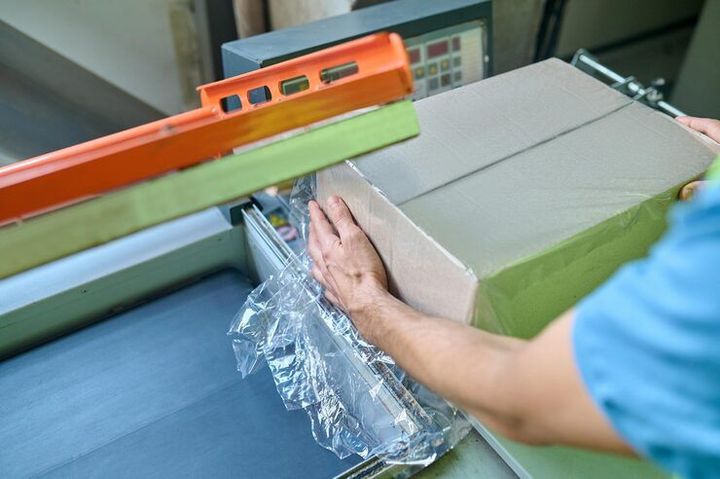
Today, plastic wrapper machines exist in various formats, including flow wrap machines, shrink wrap machines, stretch wrap systems, and automated film-sealing devices. Each type supports a specific need, ranging from product protection to branding and presentation. As packaging standards continue to evolve, these machines remain an essential part of production lines worldwide.
Importance
Plastic wrapper machines matter today because they help industries achieve higher productivity and improved product protection. With global supply chains expanding and consumer expectations rising, packaging reliability is more important than ever.
These machines impact multiple sectors:
-
Food and beverage—helps maintain hygiene and prevent contamination
-
Pharmaceuticals—supports tamper-evident packaging and secure handling
-
Retail and electronics—protects items from dust, moisture, and impact
-
Manufacturing—reduces waste and ensures uniform packaging
Key problems they help solve include:
-
Consistent wrapping quality
-
Reduced material wastage
-
Faster throughput in production lines
-
Improved product shelf life
-
Enhanced visual appearance for retail display
Their role continues to expand as companies focus on operational efficiency, sustainability, and compliance with stricter packaging standards.
Recent Updates
The past year has seen significant shifts in the packaging sector influenced by automation, sustainability, and digital integration. Several updates from 2024–2025 highlight how the industry is evolving:
• 2024 – Rise of eco-friendly film materials
Manufacturers globally saw an increased shift toward recyclable and biodegradable wrapping films, driven by environmental standards and customer expectations.
• Early 2025 – Growth in AI-enabled packaging equipment
Automation systems using AI-based monitoring and predictive maintenance became more common, helping reduce downtime and improving operational accuracy.
• Mid-2024 to 2025 – Renewable-energy integration
More factories incorporated energy-efficient motors in plastic wrapper machines to meet environmental requirements and lower electricity consumption.
• 2024 – Increase in regulatory focus on plastic usage
Several countries amplified guidelines on responsible plastic use, influencing machine manufacturers to support thinner films and precision wrapping.
• 2024–2025 – Smart data tracking for production lines
Packaging equipment now commonly includes IoT-based sensors to track film usage, error rates, and wrapping consistency in real time.
These advancements reflect a shift toward digital, eco-friendly, and high-accuracy packaging systems, shaping how industries operate today.
Laws or Policies
Regulations related to plastic wrapper machines vary from country to country, but most policies focus on environmental management, plastic waste control, and industrial safety compliance. Below are general regulatory areas that influence the use and operation of these machines:
Plastic Waste Management Rules
Many countries enforce guidelines limiting the use of single-use plastics and encouraging recyclable wrapping films. Machines increasingly support thinner and recyclable materials to comply with these rules.
Environmental Packaging Standards
Industries must meet standards regarding packaging materials, sustainability, and responsible plastic usage. These include limits on chemical additives, film thickness, and packaging disposal recommendations.
Industrial Machinery Compliance Requirements
Plastic wrapper machines must align with industrial norms relating to:
-
Worker safety
-
Electrical safety
-
Machine guarding
-
Automated system testing
Standards such as ISO specifications and country-specific manufacturing guidelines ensure that equipment remains safe and efficient.
Food and Pharmaceutical Regulations
Where applicable, films used in wrapping must comply with hygiene and contamination-prevention standards. Machines must maintain clean-handling operations to prevent product exposure.
While rules differ across regions, the common theme is safer, cleaner, and more sustainable packaging practices.
Tools and Resources
Several digital tools, websites, and online resources can help users understand, operate, and evaluate plastic wrapper machines more effectively.
Material Compatibility Charts
Useful for checking which film types match specific products and wrapping styles.
Packaging Calculator Tools
Helps estimate:
-
Film thickness
-
Wrapping layers
-
Packaging volume
-
Productivity output
Industrial Standards Websites
Platforms such as global standard directories provide guidelines related to machine compliance and sustainable packaging frameworks.
Technical Documents and Tutorials
Online manuals, operational guides, and packaging engineering knowledge bases offer information on maintenance and efficiency improvement.
IoT Monitoring Platforms
Some packaging lines use data dashboards to track machine performance, wrapping precision, and film usage analytics.
These tools enhance decision-making and help teams maintain consistent packaging results.
Illustrative Table: Types of Plastic Wrapper Machines and Their Uses
| Type of Machine | Key Application | Film Used | Typical Industries |
|---|---|---|---|
| Flow wrap machine | High-speed wrapping for small items | Polypropylene film | Food, bakery, confectionery |
| Shrink wrap machine | Tight protective wrapping | Polyolefin or PVC | Electronics, retail, logistics |
| Stretch wrap system | Pallet securing and transport protection | Stretch film | Warehousing, manufacturing |
| Banding wrapper | Lightweight bundling | Paper or plastic band | Stationery, printing |
| Heat-seal wrapper | Seals products in protective film | Polyethylene film | Pharmaceuticals, hygiene products |
FAQs
1. What is the main purpose of plastic wrapper machines?
Their primary purpose is to wrap and protect products using plastic film. This ensures durability, hygiene, and secure transportation across distribution channels.
2. Are all plastic films suitable for every type of wrapper machine?
No. Each machine is designed to work with specific material types, film thicknesses, and performance requirements. Matching the film to the machine improves efficiency and reduces wastage.
3. Do these machines support sustainable packaging?
Many modern machines are compatible with recyclable films, thinner film gauges, and eco-friendly materials. Sustainability compatibility depends on both the machine and the chosen film.
4. How do industries maintain consistent wrapping quality?
They use sensors, automated tension control, temperature monitoring, and digital calibration systems that ensure uniformity across large packaging batches.
5. What factors influence the durability of wrapped products?
Durability depends on film strength, sealing quality, product size, environmental exposure, and handling during transportation.
Conclusion
Plastic wrapper machines continue to play a vital role in global packaging systems. They support industries by improving product safety, enhancing presentation, and maintaining hygiene standards. With ongoing advancements in automation, eco-friendly film materials, and digital monitoring, these machines are becoming more efficient and environmentally aligned.
Changing regulations and sustainability goals encourage companies to adopt innovative wrapping technologies that reduce waste and support cleaner production cycles. As packaging expectations evolve, plastic wrapper machines will remain essential for reliable and consistent product handling across retail, manufacturing, and logistics operations.