How Thread Is Made: A Simple Guide to Thread Production
Thread is a basic yet essential material used in textiles, garments, home furnishings, and industrial applications. Even though it looks simple, thread production involves a carefully controlled manufacturing process that transforms natural or synthetic fibers into strong, uniform strands. This guide explains how thread is made, why the process exists, and how modern production methods continue to evolve.
Thread is a long, thin strand of fibers twisted together to improve strength and durability. It exists to solve a basic need: joining materials securely, especially fabrics. Early civilizations used hand-spun fibers for stitching clothes and nets. Over time, thread production developed into a specialized part of the textile manufacturing process.
Today, thread is produced using both natural fibers such as cotton and silk, and synthetic fibers such as polyester and nylon. Each type serves different requirements, from everyday clothing to high-performance industrial textiles.
Why Thread Production Matters Today
Thread production plays an important role in the global textile industry and in many manufacturing supply chains. It affects several groups, including textile producers, apparel manufacturers, exporters, and end users.
Key reasons thread production remains important include:
-
Supporting garment and textile manufacturing at scale
-
Ensuring consistent quality, strength, and thickness
-
Enabling automation in modern sewing and weaving systems
-
Reducing material waste through standardized production
Without reliable thread manufacturing, modern clothing, upholstery, medical textiles, and technical fabrics would not be possible. Improvements in thread quality also help reduce breakage during stitching, which saves time and materials in industrial environments.
How Thread Is Made: Step-by-Step Overview
Thread production follows a sequence of well-defined stages. The exact steps may vary depending on the fiber type, but the core process remains similar.
Raw Fiber Preparation
Natural fibers are cleaned to remove dirt and impurities. Synthetic fibers are produced through chemical processes and cut into uniform lengths.
Carding and Combing
Fibers are aligned using carding machines. For finer threads, combing removes shorter fibers to improve smoothness and strength.
Spinning Process
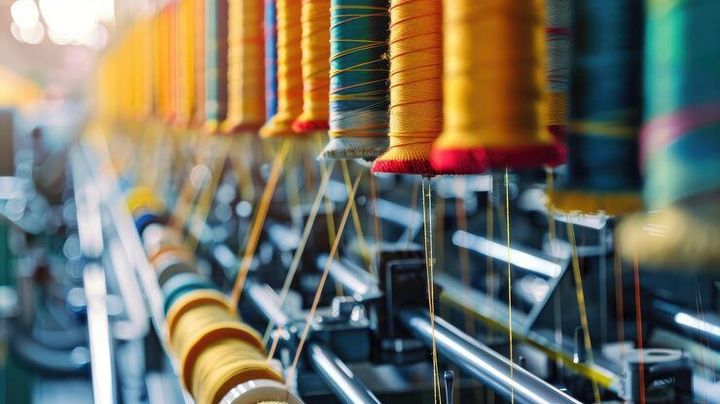
Aligned fibers are twisted together using spinning machines. This twisting turns loose fibers into yarn with measurable tensile strength.
Twisting and Plying
Single yarns may be twisted together to form stronger thread. The direction and amount of twist affect durability and performance.
Finishing and Winding
The finished thread is treated for smoothness, wound onto spools, and prepared for storage or transport.
Common Materials Used in Thread Production
Thread materials are chosen based on performance requirements, environmental conditions, and end use.
| Material Type | Key Characteristics | Common Uses |
|---|---|---|
| Cotton | Breathable, soft, biodegradable | Apparel, quilting |
| Polyester | Strong, abrasion resistant | Garments, upholstery |
| Nylon | High elasticity and strength | Industrial textiles |
| Silk | Smooth, fine texture | Luxury fabrics |
| Blended fibers | Balanced properties | General textile use |
Recent Developments and Industry Trends
Over the past year, thread manufacturing has continued to evolve due to technology and sustainability goals.
In 2025, many textile producers adopted energy-efficient spinning machines to reduce power consumption. Automation and digital monitoring systems have become more common, improving consistency and reducing defects.
Another noticeable trend is the increased use of recycled fibers in thread production. Recycled polyester threads are gaining attention due to environmental regulations and industry standards introduced in late 2024.
Quality control has also improved through sensor-based inspection systems, which detect thickness variation and weak spots during production rather than after completion.
Rules, Standards, and Government Influence
Thread production is influenced by textile regulations, labor standards, and environmental policies. In India, the textile manufacturing sector follows guidelines set by national standards bodies and environmental authorities.
Key regulatory aspects include:
-
Quality standards for textile products and labeling
-
Environmental rules related to wastewater treatment and emissions
-
Workplace safety norms in spinning and processing units
-
Government-supported textile modernization programs
Policies aimed at improving manufacturing efficiency and sustainability encourage the adoption of modern machinery and cleaner production methods. These rules help maintain product consistency while reducing environmental impact.
Tools, Machines, and Helpful Resources
Thread production relies on specialized equipment and monitoring tools designed for accuracy and efficiency.
Common tools and resources include:
-
Ring spinning and rotor spinning machines
-
Yarn tension measurement devices
-
Fiber testing instruments for strength and length
-
Textile standards documentation and compliance manuals
-
Educational resources from textile research institutes
Digital dashboards and process tracking systems are increasingly used to monitor output quality in real time, helping manufacturers maintain uniform standards.
Visual Comparison of Thread Types
| Thread Type | Strength Level | Surface Smoothness | Typical Applications |
|---|---|---|---|
| Single-ply thread | Moderate | Medium | Basic stitching |
| Multi-ply thread | High | Smooth | Industrial sewing |
| Core-spun thread | Very high | Very smooth | High-speed machines |
Frequently Asked Questions About Thread Production
What is the difference between yarn and thread?
Yarn is a general term for spun fibers, while thread is a type of yarn specifically finished and treated for stitching and sewing purposes.
How does twisting affect thread strength?
Twisting binds fibers together, increasing friction and tensile strength. However, excessive twisting can make thread stiff and less flexible.
Are synthetic threads stronger than natural ones?
In many cases, synthetic threads such as polyester and nylon offer higher strength and abrasion resistance, while natural threads provide comfort and breathability.
How is thread thickness measured?
Thread thickness is measured using standardized systems such as Tex or Denier, which indicate weight per length.
Why is quality control important in thread production?
Consistent quality prevents thread breakage during use, improves stitching accuracy, and reduces material waste.
Conclusion
Thread production is a structured manufacturing process that transforms raw fibers into dependable, high-performance strands used across industries. From fiber preparation to spinning and finishing, each step contributes to strength, consistency, and usability. Recent advancements in automation, sustainability, and quality monitoring continue to refine how thread is made. Understanding this process highlights the role thread plays in modern textiles and why standardized production remains essential for reliable results.