Guide to Lab-Grown Diamonds: Benefits, Process, and Value
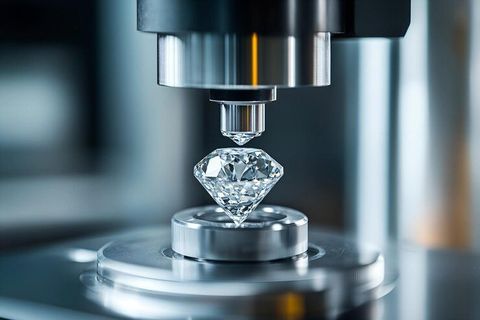
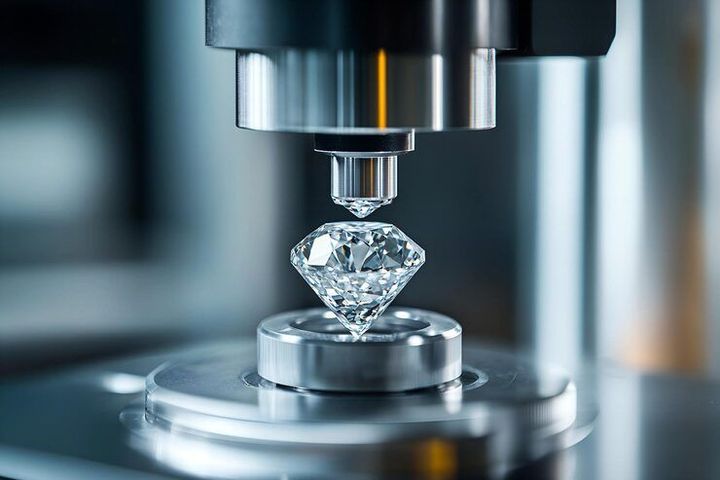
Lab grown diamonds refer to diamonds produced through scientific methods rather than geological formation deep within the earth. They mirror the physical, chemical, and optical characteristics of naturally occurring diamonds because both structures are based on pure carbon arranged in a crystalline form.
These methods were initially introduced for industrial applications, such as cutting tools and electronics, and later expanded into everyday usage because of advancements in precision, clarity, and growth control. As research institutions and laboratories improved these technologies, the global understanding of synthetic carbon structures increased, leading to widespread curiosity and discussions about their scientific, environmental, and ethical context.
Importance
Lab grown diamonds are significant today because they connect science, sustainability, and innovation. Several groups find relevance in this topic:
• Researchers and material scientists, who analyze carbon behavior in advanced applications
• Environmental analysts, who study the ecological impact of high-value materials
• General consumers, who seek reliable information about diamond quality and origins
• Regulators, who work on transparency and standardized classification
This topic supports awareness in areas such as environmental responsibility, traceability, and technology development. It informs how modern carbon-based materials align with global sustainability trends and how technological processes can create alternatives to traditional extraction. The importance also extends to public understanding because lab grown diamonds eliminate uncertainties about geological origins, making documentation easier through scientific tracking systems.
Recent Updates
Advancements over the past year highlight strong momentum in research, global reporting systems, and transparency standards.
Notable updates from 2024–2025 include:
• February 2024 – Several gem laboratories announced upgraded detection instruments capable of accurately identifying advanced CVD diamond layers with more precision than previous models.
• April 2024 – International scientific committees published new carbon-analysis frameworks to improve classification consistency in diamond grading.
• June 2024 – Multiple countries enhanced traceability guidelines for laboratories manufacturing synthetic gemstones, encouraging digital tracking and blockchain-based reporting.
• September 2024 – The gemological community highlighted a rise in demand for lab grown diamonds in scientific and semiconductor research due to their conductive properties.
• January 2025 – Updated documentation standards were released by global gemological institutions to unify terminology and ensure clear labeling across markets.
These updates reflect a movement toward transparency, innovation, and consistent worldwide communication.
Laws or Policies
Regulations for lab grown diamonds vary by country but generally focus on classification, labeling, environmental guidelines, and manufacturing safety.
Key policy areas include:
1. Transparent Identification Requirements
Many jurisdictions require clear labeling to distinguish between mined and laboratory-produced diamonds. Regulatory agencies emphasize the terms “lab grown,” “laboratory-created,” or “synthetic diamond” to avoid confusion.
2. Environmental Compliance
Governments track energy usage and emissions in manufacturing facilities, especially in regions where large-scale HPHT and CVD plants operate. Environmental audits ensure responsible operation.
3. Trade and Certification Standards
Gemological certification bodies follow international criteria to grade color, clarity, and structure. Countries often align with guidelines set by global organizations to ensure that grading documents remain standardized.
4. Import and Export Regulations
Some nations require additional verification documentation for diamonds crossing borders, ensuring accurate categorization. Digital tracking is increasingly encouraged to maintain authenticity and traceability.
5. Consumer Transparency Programs
Several regions encourage the use of QR-coded digital reports that provide scientific details about diamond growth history, analysis results, and laboratory verification.
These rules help maintain clarity, fairness, and global quality standards, supporting public awareness about new diamond technologies.
Tools and Resources
Multiple tools and resources support understanding, testing, analyzing, and evaluating lab grown diamonds.
Gemological Grading Tools
• Diamond spectroscopy scanners
• UV-visible spectrometers
• Photoluminescence analyzers
• Advanced microscopy systems
Online Resources and Research Platforms
• International gem laboratory databases
• Scientific publications on carbon materials
• Online diamond grading report verification systems
Educational Tools
• Materials science portals
• Interactive growth-process simulators
• Terminology glossaries related to HPHT and CVD
Traceability and Transparency Tools
• Blockchain-based diamond tracking platforms
• Digital grading verification portals
• QR-enabled gemstone documentation
These tools help students, researchers, and the general public evaluate scientific and structural information clearly.
Understanding Diamond Characteristics
Diamond Properties Table
| Property | Description |
|---|---|
| Hardness | 10 on the Mohs scale |
| Chemical Composition | Pure carbon (C) |
| Structure | Cubic crystal lattice |
| Formation Method | HPHT or CVD laboratory process |
| Key Quality Factors | Color, clarity, cut, and growth pattern |
This table helps summarize the essential characteristics evaluated in gemological assessments.
How Lab Grown Diamonds Are Classified
Gemological laboratories use highly standardized methods:
• Color Grading – Ranges from colorless to light yellow or brown
• Clarity Grading – Indicates presence of growth features or internal patterns
• Cut Grading – Measures proportion, symmetry, and light behavior
• Growth Analysis – Uses spectroscopy to identify HPHT or CVD patterns
The classification process ensures transparency and establishes a scientific basis for comparison.
Sustainability and Environmental Considerations
Lab grown diamonds often appear in discussions about environmental impact. While laboratory growth eliminates geological mining, manufacturing still requires significant energy. Modern facilities are increasingly transitioning to renewable energy sources, such as solar or hydroelectric power.
Environmental analysts evaluate:
• Carbon emissions during growth
• Cooling system efficiency
• Resource usage
• Waste management practices
These evaluations encourage manufacturers to follow sustainable growth strategies and provide transparent environmental disclosures.
Applications Beyond Jewelry
Lab grown diamonds have expanded beyond ornamental use due to their thermal, optical, and electronic properties.
Common applications include:
• High-precision cutting tools
• Laser optics
• Semiconductor research
• Quantum computing experiments
• Heat-spreader materials in electronics
These fields continue to grow as carbon-based technologies evolve globally.
FAQs
What differentiates a lab grown diamond from a natural diamond?
Both share identical physical and chemical characteristics, but natural diamonds form over billions of years underground, while lab grown diamonds form in controlled environments using HPHT or CVD methods.
Are lab grown diamonds considered real diamonds?
Yes. They consist of pure carbon in a crystalline structure and are recognized by scientific institutions as genuine diamonds. The classification focuses on origin rather than authenticity.
How do experts identify lab grown diamonds?
Gemological laboratories use spectroscopy, photoluminescence, and advanced imaging tools to detect growth patterns and trace elements that distinguish HPHT and CVD diamonds.
Why are regulations necessary for lab grown diamonds?
Regulations ensure transparency, accurate labeling, and safe manufacturing practices. They help maintain clarity in global diamond markets and prevent misrepresentation.
Do lab grown diamonds have environmental benefits?
They reduce the need for geological extraction, but laboratories still require energy for growth systems. Many modern facilities work toward energy-efficient production.
Conclusion
Lab grown diamonds represent a major advancement in material science, combining precision technology with transparent documentation. They reflect how scientific progress creates alternatives aligned with modern expectations for traceability, sustainability, and research-driven development. As global standards evolve, these diamonds continue to shape discussions in environmental analysis, gemology, and advanced carbon applications. With ongoing updates in technology, regulation, and global reporting systems, the understanding of lab grown diamonds will continue to expand, helping researchers, policymakers, and general readers gain clearer insights into this evolving field.