EDM Machining Equipment Guide: Technology and Applications
Electrical discharge machining (EDM) is an advanced manufacturing process used to shape electrically conductive materials with controlled electrical sparks. It is especially useful when a component requires intricate details, narrow openings, complex shapes, or features that are difficult to produce through conventional machining.
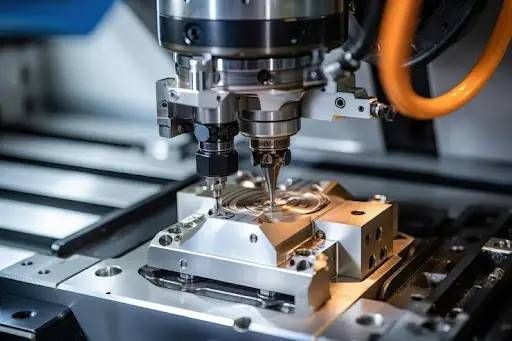
The process works between an electrode and an electrically conductive workpiece. A small gap separates the two, and a dielectric medium helps control the electrical discharge. When suitable electrical conditions are established, repeated sparks generate localized heat that melts or vaporizes tiny amounts of material.
The removed material is then carried away through the dielectric system. Repeating this process gradually produces the required shape.
EDM technology was developed to address machining challenges involving hard metals, intricate cavities, and detailed geometries. It is particularly useful when traditional cutting methods are difficult to apply or when mechanical cutting forces need to be minimized.
Main Components of an EDM Machine
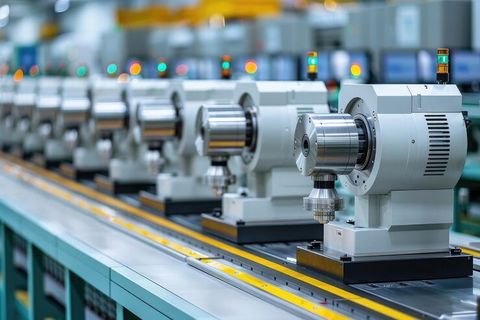
An EDM machine contains several interconnected systems that work together to maintain machining accuracy.
Power supply: Generates and controls the electrical pulses used during machining.
Electrode: Transfers electrical energy to the workpiece through controlled discharges.
Worktable: Holds the component securely in the required position.
CNC control system: Manages programmed movements and machining parameters.
Dielectric system: Supplies and circulates the fluid or medium used to control discharges and remove debris.
Filtration unit: Removes particles from the dielectric fluid.
Monitoring system: Tracks selected operating conditions and helps identify irregularities.
Safety enclosure: Helps protect operators from electrical hazards, moving parts, and process-related risks.
The design and configuration of these components vary according to the type of EDM equipment and its intended application.
Importance of EDM Technology in Modern Manufacturing
Why EDM Matters Today
Modern manufacturing often requires components with complex shapes, narrow tolerances, and specialized material properties. Conventional machining methods remain suitable for many applications, but some designs are difficult to produce using ordinary cutting tools.
EDM provides an alternative for these situations.
Its main advantages include:
Machining hard materials: It can process electrically conductive hardened steels, carbide materials, and selected heat-resistant alloys.
Creating complex shapes: It can produce intricate profiles, narrow slots, and detailed cavities.
Reducing mechanical cutting forces: Material removal occurs through electrical discharges rather than direct cutting contact.
Producing precision features: Carefully controlled machining conditions support detailed component manufacturing.
Supporting specialized tooling: It is widely used for moulds, dies, punches, and precision engineering components.
EDM also has limitations. Material removal can be slow in some applications, electrodes may wear, and the process requires suitable electrical conductivity. Therefore, it is important to evaluate the material, geometry, dimensional requirements, surface finish, and production conditions before selecting an EDM method.
Major Types of EDM Machining Equipment
Wire EDM
Wire Electrical Discharge Machining uses a thin, continuously moving wire electrode to cut a programmed profile through a conductive workpiece.
The wire typically travels along a controlled path while electrical discharges remove material. A suitable flushing system carries away debris from the cutting gap.
Common applications include:
Precision dies and punches
Intricate metal profiles
Tooling components
Narrow slots and detailed contours
Selected aerospace and automotive components
Wire EDM is particularly useful when the required shape must be cut accurately through a metal workpiece.
Die-Sinking EDM
Die-sinking EDM, also called sinker EDM or ram EDM, uses a shaped electrode to create cavities in a workpiece.
The electrode gradually forms the desired geometry through repeated electrical discharges. Electrode materials may include graphite or copper, depending on the application.
Typical uses include:
Injection mould cavities
Forging and stamping dies
Complex internal shapes
Specialized tooling
Detailed cavities in hardened metal components
Electrode design is important because its shape influences the resulting cavity. Electrode wear and machining conditions must also be considered during production planning.
Small-Hole EDM
Small-hole EDM is designed to create narrow and often deep holes in electrically conductive materials.
Specialized tubular electrodes can help remove material from confined areas where conventional drilling may be difficult. The method is used in applications that require small openings with particular depth or geometry requirements.
Examples include selected turbine components, precision tooling, and specialized industrial parts.
Comparison of EDM Equipment Types
| Feature | Wire EDM | Die-Sinking EDM | Small-Hole EDM |
|---|---|---|---|
| Main purpose | Profile cutting | Cavity creation | Small-hole machining |
| Electrode | Thin wire | Shaped electrode | Small tubular electrode |
| Common application | Dies and punches | Moulds and tooling | Precision holes |
| Main consideration | Wire stability | Electrode wear | Hole diameter and depth |
Industrial Applications of EDM Technology
Aerospace Manufacturing
Aerospace components may involve heat-resistant conductive alloys and complex geometries. EDM can help manufacture selected tooling, detailed profiles, and specialized features that are difficult to machine using conventional methods.
The suitability of EDM depends on component specifications, material properties, inspection requirements, and the intended function of the part.
Automotive Engineering
Automotive manufacturing uses dies, moulds, precision tools, and other components that may require detailed shapes. EDM is commonly applied to tooling production and selected precision metal components.
Wire EDM can produce intricate profiles, while die-sinking EDM can form mould cavities and other shaped features.
Medical Equipment Manufacturing
Some medical-device components require small features, precise dimensions, and carefully controlled surface characteristics. EDM may be used for selected conductive parts and specialized tooling.
However, the finished component must also meet relevant material, cleanliness, biocompatibility, and regulatory requirements where applicable.
Electronics and Precision Engineering
Electronics manufacturing frequently involves miniature components, detailed tooling, and small geometrical features. EDM and micro-EDM can support the production of selected conductive components and specialized manufacturing tools.
The process is most suitable when the component geometry and electrical properties align with EDM's capabilities.
Tool and Die Manufacturing
Tool and die production is one of the established applications of EDM. The technology helps create complex cavities, punches, intricate profiles, and other features needed in manufacturing operations.
Its ability to machine hardened conductive materials makes it useful during tooling production and modification.
Recent Updates and Technology Trends
Automation and CNC Control
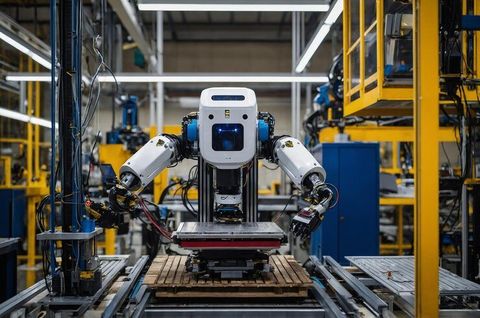
Modern EDM systems increasingly use CNC programming, automated setup functions, and process monitoring. Depending on the machine configuration, automation may include automatic wire threading, electrode handling, or adaptive machining controls.
These capabilities can reduce manual intervention and improve repeatability when the equipment is correctly configured. Actual performance depends on machine design, maintenance, programming, and operating conditions.
Micro-EDM and Miniature Features
Micro-EDM is an important area of manufacturing research because it enables the production of very small features in conductive materials.
Potential applications include miniature engineering components, specialized electronics tooling, and selected biomedical manufacturing applications.
However, micro-machining introduces additional challenges involving electrode dimensions, discharge stability, debris removal, and measurement accuracy.
Data-Based Process Monitoring
Sensors and data-analysis methods are increasingly being studied for monitoring EDM performance. Engineers can use operating data to investigate unstable discharges, detect unusual process conditions, and better understand machining behaviour.
Machine-learning techniques are also being explored in EDM research. Their practical usefulness depends on reliable data, suitable sensor systems, and validation under actual manufacturing conditions.
Energy and Environmental Considerations
Manufacturers are also examining energy consumption, dielectric-fluid management, filtration efficiency, and waste handling.
Efficient operating parameters and regular maintenance can support responsible resource use. However, improvements vary by machine design, workload, machining strategy, and facility practices.
Laws, Policies, and Safety Standards
Industrial Requirements in India
EDM equipment users in India should consider applicable machinery safety requirements, electrical regulations, workplace safety obligations, and environmental rules.
Relevant standards may address electrical protection, machine guarding, grounding, emergency stops, and safe operation. The exact requirements depend on the machine category, installation, industry, and applicable regulations.
Businesses should verify current requirements through official regulatory documentation and qualified compliance professionals before making decisions about equipment certification or installation.
Essential EDM Safety Practices
EDM combines electrical energy, heat, process fluids, and mechanical movement. Appropriate safeguards are therefore important.
Recommended practices include:
Inspect machine guards and interlocks before operation.
Keep emergency-stop controls accessible and functional.
Follow the manufacturer's operating instructions.
Check electrical connections and grounding arrangements.
Maintain dielectric fluid at the specified condition and level.
Use appropriate ventilation and fluid-handling procedures.
Control fire risks associated with applicable dielectric fluids.
Train operators in safe loading, setup, operation, and maintenance.
Handle contaminated fluids and machining residues according to applicable environmental requirements.
Maintenance should be performed by appropriately qualified personnel using the correct isolation procedures.
Tools and Resources for EDM Machining
Technical Tools for Engineers
Several general-purpose tools help engineers plan, monitor, and evaluate EDM operations.
CAD software: Supports component design and detailed geometry development.
CAM software: Helps prepare machining paths and manufacturing instructions.
CNC programming tools: Convert approved machining strategies into machine movements.
Tolerance calculators: Help engineers interpret dimensional tolerances and clearances.
Surface roughness instruments: Measure the finish of machined surfaces.
Maintenance checklists: Track filtration, electrode condition, wire guides, and scheduled inspections.
Material reference charts: Provide information about conductivity and other material properties.
Inspection equipment: Helps verify dimensions against engineering drawings.
Important EDM Parameters
| Parameter | Purpose |
|---|---|
| Discharge energy | Influences material removal and surface characteristics |
| Pulse duration | Affects discharge behaviour |
| Electrode condition | Influences shape accuracy and wear |
| Dielectric condition | Supports controlled discharges and debris removal |
| Wire tension | Helps maintain wire stability |
| Flushing conditions | Support debris removal |
| Workpiece alignment | Helps maintain dimensional accuracy |
These parameters interact with one another. A change intended to improve machining speed may also affect surface quality, electrode wear, or process stability.
Engineers should therefore use validated machining procedures and test results rather than assume that one set of parameters is appropriate for every material and component.
Frequently Asked Questions
What is EDM machining equipment used for?
EDM equipment removes material from electrically conductive workpieces using controlled electrical discharges. It is used for complex profiles, narrow slots, mould cavities, precision tooling, and selected small-hole applications.
Can EDM machines process hardened steel?
Yes. EDM can machine hardened steel because it removes material through electrical discharges rather than conventional cutting forces. The workpiece must be electrically conductive, and the process parameters must suit the required result.
What is the difference between wire EDM and die-sinking EDM?
Wire EDM uses a thin wire electrode to cut profiles through a workpiece. Die-sinking EDM uses a shaped electrode to form cavities and other features. The appropriate type depends on the component geometry.
Which factors influence EDM machining accuracy?
Accuracy depends on machine condition, electrode wear, positioning systems, workpiece alignment, dielectric performance, thermal effects, and machining parameters. Inspection and regular maintenance also contribute to consistent results.
Can EDM machine nonconductive materials?
Conventional EDM generally requires electrically conductive workpiece materials. Most ordinary glass, ceramics, and plastics cannot be machined directly using conventional EDM. Other manufacturing methods are usually needed for these materials.
Conclusion
EDM machining equipment is an important technology in precision manufacturing. It provides a practical way to create complex shapes, narrow slots, detailed cavities, and specialized features in electrically conductive materials, including hardened metals.