Industrial Power Generators: Learn About Modern Power Systems
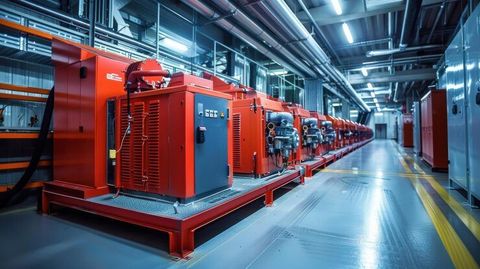
Industrial power generators are machines designed to produce electrical energy when a dependable power source is needed. They are widely used in manufacturing facilities, construction sites, data centers, healthcare facilities, commercial buildings, infrastructure projects, and other locations where electricity must remain available.
A generator generally combines an engine or another prime mover with an electrical generator. The prime mover creates mechanical energy, while the generator converts that mechanical energy into electrical energy.
Modern power systems are more advanced than traditional backup arrangements. They can include automatic controls, remote monitoring, load management, fuel-management systems, battery storage, and integration with renewable energy.
Industrial generators can operate as standby, prime, or continuous power systems. The correct arrangement depends on the electrical load, operating hours, environment, fuel availability, and required level of reliability.
Common generator technologies include:
- Diesel generator sets
- Natural gas generators
- Dual-fuel generator systems
- Gas engine generators
- Hybrid generator systems
- Battery-supported power systems
- Renewable-integrated generator systems
Generator capacity is normally expressed in kW or kVA. Understanding the difference between real power and apparent power is important when planning an industrial electrical system.
How an Industrial Generator Works
A conventional generator follows a relatively simple energy-conversion process:
Fuel or energy source → Prime mover → Mechanical rotation → Alternator → Electrical power → Connected load
The engine rotates the alternator. The alternator produces electrical energy through electromagnetic induction. A control system regulates important operating parameters such as voltage, frequency, engine speed, and protection functions.
Automatic transfer equipment can also detect a utility power interruption and transfer selected electrical loads to the generator.
The major components usually include:
- Engine or prime mover
- Alternator
- Fuel system
- Cooling system
- Lubrication system
- Exhaust system
- Starting system
- Battery system
- Control panel
- Voltage regulation system
- Circuit protection
- Acoustic enclosure where required
Why Industrial Power Generators Matter Today
Reliable electricity is important for industrial operations because interruptions can affect production equipment, process controls, refrigeration, communication systems, safety equipment, and critical digital infrastructure.
For facilities with sensitive electrical loads, even a short interruption can create operational complications. A properly designed generator system can provide an independent electricity source during utility interruptions.
Industrial generators are also relevant in locations where grid infrastructure is limited or where temporary electrical power is required.
Industries Using Generator Systems
Generator systems can support many sectors, including:
- Manufacturing and process industries
- Hospitals and healthcare facilities
- Data centers
- Telecommunications infrastructure
- Construction projects
- Commercial buildings
- Mining operations
- Agriculture and food processing
- Transportation infrastructure
- Water and wastewater facilities
The importance of a generator depends on the application. A small commercial facility may only need emergency backup, while an industrial process may require continuous or prime power.
Efficiency and Power Quality
Energy efficiency has become an important consideration in modern generator technology. Operating a generator significantly below or above its intended load can affect fuel efficiency and equipment performance.
Power quality is also important for sensitive equipment. Voltage regulation, frequency stability, harmonics, and load changes should be considered during system planning.
Modern generator controllers can monitor parameters such as:
| Parameter | Purpose |
|---|---|
| Voltage | Monitors electrical output |
| Frequency | Checks system stability |
| Current | Tracks electrical loading |
| Engine speed | Supports frequency control |
| Fuel level | Helps manage operating time |
| Temperature | Protects the engine |
| Oil pressure | Helps identify engine problems |
| Operating hours | Supports maintenance planning |
Recent Developments in Generator Technology
The generator industry continues to move toward improved monitoring, emissions management, automation, and integration with other energy technologies.
During 2025 and into 2026, regulatory information published by India's Central Pollution Control Board continued to emphasize emission compliance for generator applications. CPCB documentation covers generator engines using diesel and several alternative fuels, including natural gas, biomethane, LPG, ethanol blends, methanol blends, biodiesel, DME, and hydrogen-related fuel combinations.
This reflects a broader technology direction toward evaluating different fuel pathways rather than relying exclusively on conventional diesel systems.
Digital Monitoring and Automation
Digital generator controllers can record operating information and provide alarms when abnormal conditions occur. Larger installations can integrate generator information with facility-level electrical management systems.
Important monitoring functions may include:
- Load percentage
- Generator frequency
- Voltage
- Engine temperature
- Fuel consumption
- Running hours
- Fault conditions
- Maintenance alerts
Remote monitoring can make it easier to identify operational problems before they become larger interruptions.
Hybrid Power Systems
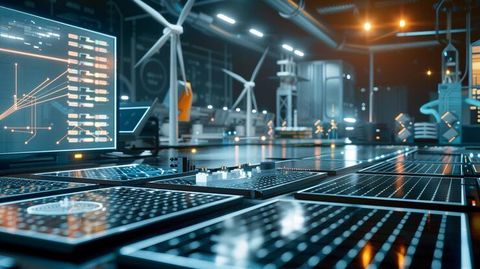
Hybrid systems combine generators with other energy technologies such as batteries and renewable generation.
A typical arrangement might include:
Solar generation + Battery storage + Generator + Grid connection
The battery can handle certain short-duration loads, while the generator provides additional power when required. This type of architecture can reduce generator operating hours in suitable applications, although actual results depend on system design and operating conditions.
Emission-Conscious Generator Technology
Environmental requirements are influencing generator engineering. Modern systems can use improved combustion control, electronic engine management, after-treatment technologies, and alternative fuels to address regulated pollutants.
CPCB's current documentation describes emission requirements and compliance procedures for new generator engines up to 800 kW gross mechanical power, including requirements for gaseous and particulate pollutants.
Laws, Policies, and Environmental Requirements in India
Industrial generator systems in India can be affected by environmental, emission, noise, electrical, and local regulatory requirements.
The Central Pollution Control Board (CPCB) provides regulatory and technical information relating to generator-set emissions and noise. Its documentation identifies different generator categories and includes requirements concerning air emissions and noise.
For applicable generator engines, manufacturers and importers may need to meet type-approval and conformity-of-production requirements. CPCB documentation also specifies that applicable stack-height requirements are governed by CPCB guidelines.
Noise is another consideration. India's Noise Pollution (Regulation and Control) Rules, 2000 establish ambient noise standards for different zones and provide a regulatory framework for controlling noise-producing sources, including generator sets. The CPCB page for these rules was updated in December 2025.
Requirements can vary according to generator capacity, fuel, location, application, and applicable state or local rules. Therefore, an industrial project should verify the requirements applicable to its specific installation.
Tools and Resources for Generator Planning
Several general tools can help engineers, facility managers, and learners understand generator requirements.
Generator Load Calculator
A load calculator can estimate the total electrical demand from motors, lighting, HVAC equipment, pumps, computers, and other connected loads.
It is useful to consider:
- Running load
- Starting load
- Motor starting current
- Future load growth
- Essential and non-essential loads
kW and kVA Calculator
A power calculator can help convert between kW and kVA when the power factor is known.
This is particularly useful when comparing electrical loads with generator ratings.
Fuel Consumption Worksheet
A spreadsheet can record:
- Operating hours
- Load percentage
- Fuel consumption
- Fuel remaining
- Maintenance intervals
- Generator runtime
This creates a simple operating history for the equipment.
Maintenance Checklist
A basic maintenance template can include:
- Engine oil inspection
- Coolant inspection
- Battery condition
- Air filter condition
- Fuel system inspection
- Exhaust inspection
- Electrical connections
- Control-panel alarms
- Emergency shutdown testing
Manufacturer instructions and applicable technical requirements should take priority over a generic checklist.
Frequently Asked Questions
What is an industrial power generator?
An industrial power generator is an electrical generation system designed for demanding applications such as manufacturing, infrastructure, healthcare, data centers, and large commercial facilities.
What is the difference between standby and prime power?
Standby power is generally intended for backup during utility interruptions. Prime power is designed for applications where the generator operates as a primary electricity source for defined operating conditions.
How is generator capacity measured?
Generator capacity is commonly specified in kW or kVA. The appropriate rating depends on the connected electrical load, power factor, starting requirements, operating conditions, and required duty.
Are industrial generators regulated in India?
Yes. Depending on the equipment and installation, generators can be subject to requirements covering emissions, noise, certification, installation, and other environmental or technical matters. CPCB provides relevant generator-set emission and noise information.
Can generators operate with renewable energy?
Yes. Generator systems can be integrated with solar generation, battery storage, and other power technologies. Hybrid configurations are designed according to the site's load profile, generation characteristics, and reliability requirements.
Conclusion
Industrial power generators remain an important part of modern electrical infrastructure. They can provide standby electricity, prime power, or continuous support depending on the application.The technology is also changing. Digital controls, remote monitoring, improved emission management, alternative fuels, battery storage, and renewable-energy integration are becoming important areas of modern power-system design.